

Easy Weekend Plan: Why These Sources Aren’t Enough
A relaxed Sunday plan still needs a real place behind it. The supplied sources cover Java and JavaScript, not a park, route, café, or city break, so this article explains what cannot be responsibly recommended yet—and the small checklist that would make it publishable.

Lead software engineer and technical consultant working across React, Next.js, TypeScript, Node.js, product delivery, and team leadership.
- easy weekend plan
- official tourism information
- accessible routes
- low-pressure planning
On this page
A free Sunday is easier to enjoy when the plan is small: one place, one reasonable activity, something good to eat, and enough flexibility for everyone involved. But a relaxed plan still needs a reliable starting point. Without a verified destination source, even a friendly suggestion can quietly turn into guesswork about access, opening times, seasonal conditions, route difficulty, or whether the place suits a family group.
That is the problem with the source set available for this weekend article. It does not support a responsible outdoor or city-break recommendation yet.
An easy weekend plan needs a real destination source
The supplied sources are about Java and JavaScript, not a park, trail, town, café, food market, or official tourism destination. The Inside Java page identifies Lize Raes as a Developer Advocate working in the Java Platform Group and lists Java-related site content, including JavaOne registration and technical material. It does not provide a place to visit, a route, visitor access, opening information, or seasonal advice (Inside Java).
The web.dev source describes JavaScript as a scripting language for the web and presents learning and performance guidance, including information about browser features and interaction responsiveness. It does not identify a physical destination or provide tourism, park, transport, food, safety, or weather information (web.dev JavaScript).
Those are useful facts about the subjects they cover. They are not evidence for an outdoor plan.
That distinction matters because the brief calls for a concrete idea people can actually try. To make that invitation safely, the article would need at least one official source for a named destination, route, park, or food idea. The current material does not contain one.
What cannot be verified from the supplied material
A practical weekend recommendation normally answers a few simple questions:
- Where exactly would someone go?
- How would they access it?
- How much effort does the activity require?
- Is it suitable for the people coming along?
- What season or weather considerations matter?
- Are there opening hours, restrictions, closures, or safety notices?
- Can the plan include a nearby meal or café without inventing an experience?
None of those destination-specific answers can be extracted from the two supplied excerpts. The sources do not name a park, trail, town, restaurant, public garden, viewpoint, visitor centre, or transport connection. They also do not provide prices, availability, route lengths, surface conditions, accessibility information, or current closures.
So this article will not pretend that a Java page is a city-break guide or that a JavaScript learning page is an outdoor source. It will not turn technical terms into a fictional day trip. That may sound less exciting than naming a place, but it avoids giving someone a plan based on details that were never supplied.
The smallest useful next step
The missing ingredient is not a longer itinerary. It is one suitable official source.
For an outdoor idea, that could be an official park or tourism page naming the destination and describing access, routes, facilities, seasonal considerations, and safety guidance. For a city-break idea, it could be an official destination page with visitor information and opening details. For a food-led plan, it would need a reliable source for the venue or food area, including information that should be checked live if availability can change.
Once that source exists, the plan can stay deliberately modest. A useful article might then say: choose one named place, pick one route or activity supported by the source, allow time for breaks, and leave room to change the plan if conditions or energy levels differ. That structure respects different ages, walking speeds, budgets, weather preferences, and appetites without presenting one perfect itinerary.
At present, even that modest version would require invented specifics. The source set does not tell us whether the destination is urban or rural, near public transport or dependent on a car, flat or hilly, free or paid, open on Sunday or subject to a seasonal schedule. Those are not harmless details to fill in from imagination.
A transparent planning checklist
If you are preparing your own easy weekend plan, use this as a holding checklist rather than as a destination recommendation:
- Name the place from an official source. Do not rely on a title, search snippet, or an unverified social post alone.
- Check access. Look for the official information about arrival, entry, parking, public transport, or route starting points.
- Match effort to the group. Confirm the route or activity details before inviting people with different mobility, ages, or energy levels.
- Check timing and season. Opening times, weather-sensitive access, seasonal services, and closures need a live check when the source indicates they may change.
- Keep the plan adaptable. Choose one main activity and leave space for rests, an early finish, or a change of weather.
- Add food only when supported. A meal suggestion should come from a verified venue or destination source, not from an invented personal experience.
- Separate fact from preference. “The official page lists…” is different from “this sounds like a pleasant option.” Both can be useful, but they should not be confused.
This checklist is an interpretation of the decision the weekend brief requires, not evidence that any particular place meets it. The supplied sources support the need for source discipline only indirectly: they show what the available pages actually cover, and that coverage is technical rather than travel-related (Inside Java; web.dev JavaScript).
Why waiting is better than inventing
A weekend article should reduce friction. It should help someone decide whether a place fits their time, group, and mood. An unsupported recommendation does the opposite: it creates a polished invitation while leaving the reader to discover the important constraints themselves.
That is especially risky for route and access advice. A made-up distance, assumed opening time, or casual claim about suitability can affect whether a family arrives prepared, whether someone with limited mobility can participate, or whether a group finds the destination open at all. The warm tone of a weekend piece should not hide uncertainty.
There is also a simple editorial trade-off. Publishing a specific place now would make the article sound more complete, but only by adding facts absent from the sources. Holding the recommendation until an official destination source is supplied makes the piece less immediately entertaining, while keeping every practical claim defensible. For this brief, that is the better trade.
What would make this publishable
Add one official destination, tourism, park, route, or food source. The article can then be rebuilt around a single invitation: where to go, what to do, how much effort to expect, when to check, and how to adapt the idea for friends or family.
Until then, the honest conclusion is simple: there is no verified easy weekend plan in the supplied material. The available pages cover Java and JavaScript, and neither provides the destination evidence this article needs.
Save the checklist, send it to the person who usually plans the group outing, and add a verified place before making the Sunday plan. A small day out is worth planning lightly—but not blindly.
Official sources
Editorial video brief
Length: 45–60 seconds, vertical.
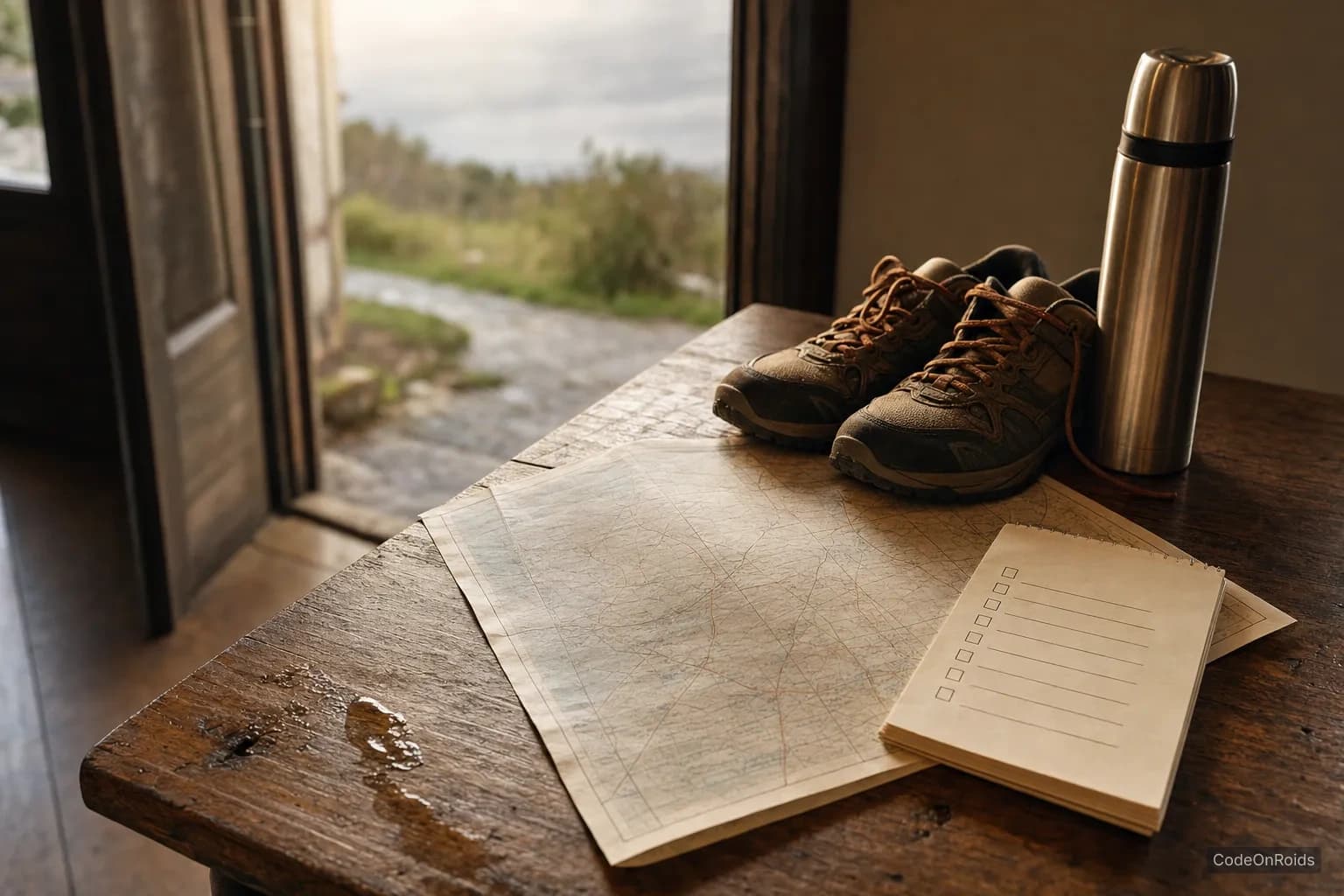
0–3 seconds — Hook: Show walking shoes, a thermos, and a folded map on a table. Pause before revealing a destination. On-screen text: “A relaxed plan still needs one verified place.”
3–18 seconds — Beat one: Show a blank planning page with spaces for destination, access, timing, and season. Voiceover: “A good weekend idea should make leaving the house easier, not ask you to guess about the route or opening times.”
18–35 seconds — Beat two: Use abstract, non-readable browser windows to represent the supplied pages. Voiceover: “The available sources describe Java and JavaScript. They do not name a park, route, café, city break, or destination.”
35–50 seconds — Beat three: Return to the table, with the map still blank but the checklist visible. Voiceover: “Add one official tourism or park source, check access and timing, then keep the plan flexible for your group and the weather.”
50–60 seconds — Close: Show the notebook closing beside the shoes. On-screen text: “Verify the place. Keep the day easy.” CTA: “Save this for the next free weekend.”
No personal visit, destination footage, prices, route claims, weather claims, or performance metrics should be added until supported by a suitable official source.